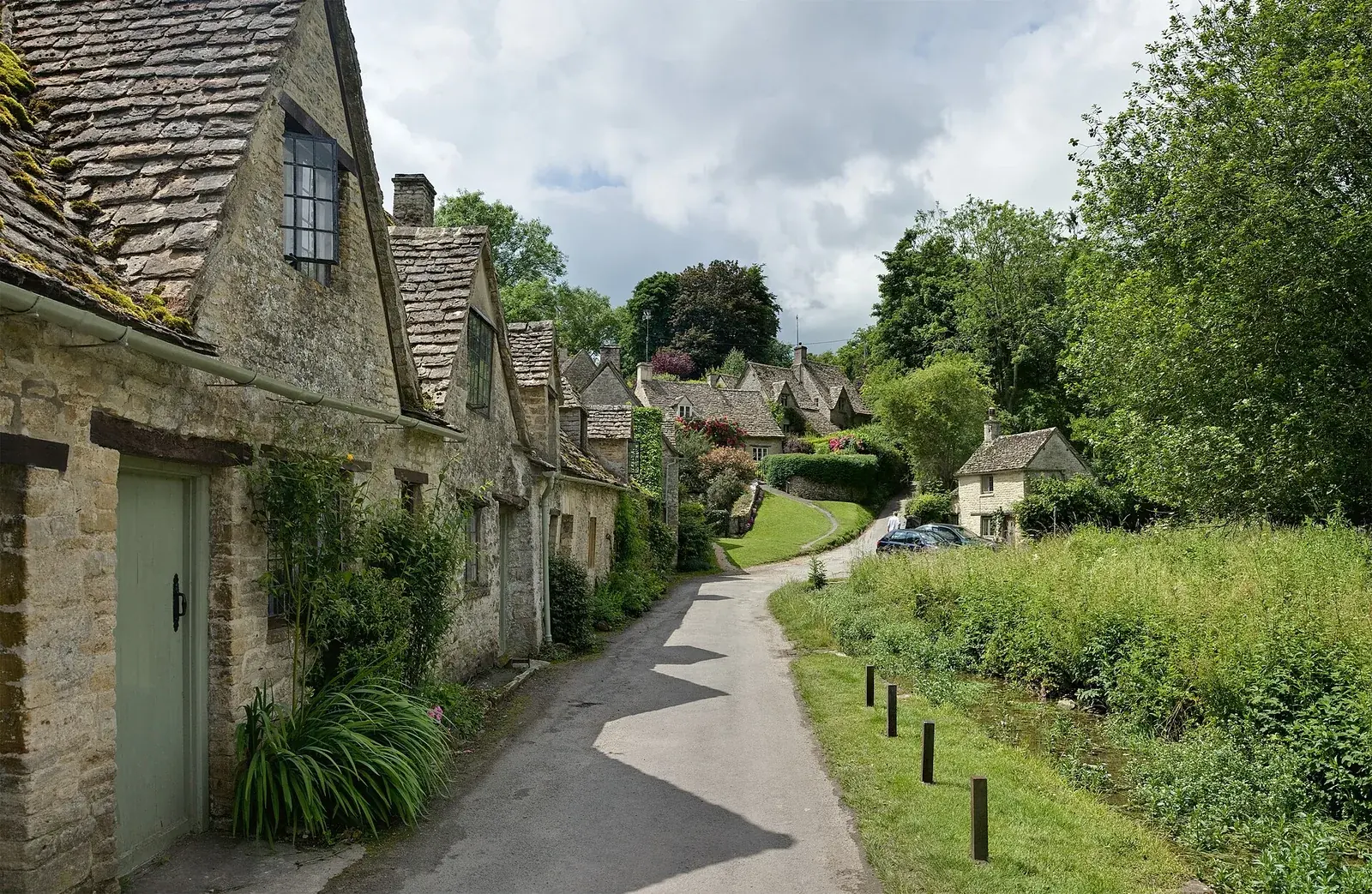
Second home insurance can cost more than cover for the home you live in because an empty property can be harder to protect. Whether it is a cottage you visit at weekends, a flat you inherited or a place by the coast, insurers may see it as a higher risk than a home with someone in it most days.
This guide explains why, what conditions you're likely to see, and what to check before you get quotes.
Why Your Main Home Policy May Not Cover It
A standard home insurance policy is written for your main home, the one you live in most of the time. It isn't designed to cover a second property, even if you own both.
Most standard policies also allow your home to be empty for only a limited time. Which?'s guide to holiday home insurance says most normal home insurance policies have unoccupancy periods of between 30 and 60 days.
Once a home has been empty for longer, parts of your cover may be restricted. A second home that sits empty for weeks at a time will regularly go over that kind of limit. That's why second homes need their own policy, sold specifically for properties that aren't lived in full time.
Why Second Home Insurance Can Cost More
Problems Go Unnoticed for Longer
In a home you live in, a dripping pipe or a small leak gets spotted quickly. In a second home, it can run for days or weeks before anyone sees it. A burst pipe in winter can cause major damage if nobody visits for months.
The cost of the damage grows with time, so insurers price in the chance that a problem won't be caught early. The Met Office's advice on a frozen or burst pipe includes leaving the heating on low if you're going away and checking your stop tap every six months.
Empty Homes Attract Thieves and Vandals
A property that's clearly unoccupied, with no lights on, post piling up and no car outside, can be a target for break-ins and vandalism. Insurers factor that in.
Escape of Water Claims Can Be Costly
Escape of water means leaks from pipes, tanks or appliances. In an empty home, a leak can do far more damage before it's stopped. Many second home policies have a higher excess for escape of water claims for this reason.
Location Can Add Risk
Second homes are often in coastal or rural areas. That can mean higher exposure to storms or flooding, and longer response times if something goes wrong. Where the property is and how it's built both affect the price.
What Second Home Insurance Usually Covers
Second home cover is built around the same core parts as a standard home policy, with terms adjusted for a property that isn't lived in full time:
- Buildings cover for the structure, such as walls, roof and fitted kitchen, against events like fire, storm, flood and escape of water.
- Contents cover for furniture, appliances and belongings kept at the property. This is sometimes optional.
- Liability cover in case someone is injured at the property and you're found responsible.
As with your main home, buildings cover should be based on the rebuild cost, not the market value. Contents left in a second home can be more limited, so check the contents limit and any rules on high-value items. Some owners also add home emergency cover, which can be useful for a property you can't get to quickly.
Conditions You're Likely to See
Policies for second home insurance often come with conditions. These vary by insurer, but common ones include:
- Unoccupancy limits. Some insurers set a maximum number of days the property can be empty at a time, often 30 or 60 days, with reduced cover after that.
- Heating in winter. You may need to keep the heating on at a minimum temperature during colder months.
- Draining the water system. Some policies ask you to turn off the water and drain the system if the property will be empty for a while.
- Regular inspections. You may need to visit, or have someone check the property, at set intervals.
- Security requirements. Approved locks, alarms or both may be required.
If you don't meet the conditions and something goes wrong, a claim could be reduced or refused. Read the policy wording, not just the summary, and keep a note of when the property was last checked.
This guide on what happens if your home sits empty goes into more detail on how insurers treat empty properties.
A Quick Example
Say you own a cottage on the coast and leave it empty from November to February. A pipe freezes and bursts in January, and water runs for weeks before anyone visits. If your policy says the heating must stay on in winter, or that the property must be checked at set intervals, and those conditions weren't met, the insurer could reduce or refuse the claim.
Meeting the conditions may support a claim, but the insurer will still assess it against the rest of the policy terms and exclusions. You may also face a higher escape-of-water excess. A neighbour checking in every couple of weeks and a timer on the heating can help turn a potential major loss into a smaller repair.
Telling Your Insurer About Changes
A second home's use can change over time. You might start letting it out, spend longer there, or leave it empty for a season while it's on the market. Each of these can affect your cover, so tell your insurer when something changes. Leaving it out could mean a claim isn't paid in full.
MoneyHelper explains why providers might reject your insurance claim, including when they believe you didn't take reasonable care to answer the application questions accurately. Which?, looking at whether your home is still insured while you're away, warns that parts of your cover may no longer apply if it's empty for longer than the policy allows.
Holiday Lets and Letting to Family
How you use the second home changes the cover you need.
- Holiday lets. If you rent the property to paying guests, Which? says you'll likely need specialised cover to be fully protected if something goes wrong with the let.
- Letting to friends or family. If someone lives there and pays rent, even a relative, you'll usually need landlord insurance rather than second home cover.
- Lending it for free. If friends or family stay for free, check with your insurer how that's treated.
Telling your insurer exactly how the property is used is the only way to make sure the cover fits. Once you know which type of cover you need, compare quotes and check how each one handles second homes.
Ways to Keep the Cost in Check
You can't change the fact that a second home carries more risk, but you can reduce some of it:
- Fit good security. Approved locks, an alarm, timer lights and a key holder nearby can all help.
- Visit regularly or arrange checks. A neighbour, friend or local property manager who looks in can catch problems early.
- Winter-proof the property. Lag pipes, keep the heating on low and know where the stopcock is.
- Consider a higher excess. A higher voluntary excess may lower the premium, but you'll pay more of any claim. This explainer on voluntary excess covers the trade-off. It's written about car cover, but excess works the same way on home policies.
- Think about extras carefully. Add-ons can be useful for a property you can't get to quickly, but they add to the cost, so decide if each one is worth it for you.
- Give accurate details. The rebuild cost, the construction type and how often it's empty all affect the price.
What to Check on Any Quote
Before you buy, look for:
- The maximum number of days the property can be empty
- Any reduced cover after that limit, especially for escape of water and theft
- Heating, water and inspection conditions
- The escape of water excess
- How stays by friends or family are treated
- Whether contents cover is included or needs adding
Appliances at a second home can break down too. If you're weighing up separate cover for them, this guide on home appliance insurance looks at why it can be worth having. The extra cost of second home insurance reflects real risks, but understanding the conditions means you can pick cover that actually works for how you use the property.
Frequently Asked Questions (FAQs)
1. Can I Add My Second Home to My Main Home Insurance?
Usually not. Standard home insurance is designed for your main home, so a second property normally needs its own policy.
2. How Long Can a Second Home Be Left Empty?
It depends on the insurer. Many set limits of 30 or 60 days at a time, with reduced cover once the limit is passed. Check the policy wording.
3. Why Is the Escape of Water Excess Higher?
Leaks in empty homes can go unnoticed for longer and cause more damage. Many second home policies have a higher excess for these claims as a result.
4. Do I Need a Different Cover if I Rent It Out?
Yes. Paying guests usually need holiday let insurance, and long-term tenants, including family, usually need landlord insurance.
5. What Can I Do to Keep the Premium Down?
Good security, regular checks, winter-proofing and giving accurate details can all help. A higher voluntary excess may lower the premium, but you'll pay more if you claim.