Annual travel insurance covers every trip you take over 12 months under one policy, so you don't have to buy new cover each time you go away. The big question for most people is simple: when does one yearly policy cost less than buying single-trip cover for each holiday?
There's a useful rule of thumb, but the real answer depends on how long your trips are, where you're going and who's travelling. This guide walks through each of those so you can work it out for your own plans.
How Annual Travel Insurance Works
An annual policy, often called annual multi-trip cover, protects you for an unlimited number of trips within a 12-month period. The catch is that each individual trip has a maximum length. Go over it and that trip isn't covered.
A single-trip policy is the opposite. It covers one journey, from the day you leave to the day you get back, with no need to worry about a per-trip day limit.
Both types usually include the same core features, such as emergency medical treatment, cancellation, lost or delayed baggage and personal liability. What changes is how the cover is packaged and priced.
Where the Break-Even Point Usually Sits
MoneyHelper, the free government-backed guidance service, says annual cover can be more cost-effective than single-trip cover if you're taking more than two holidays a year. Whether two trips is enough on its own depends on the prices for your trips, so it's worth checking both options.
Why the Second Trip Often Tips It
Single-trip prices are worked out for each journey, so every holiday adds another premium. An annual policy is one price for the year. Once you've got a second trip booked, or even a likely long weekend away, the yearly price has more trips to spread across.
When Single-Trip Cover Still Makes Sense
Annual cover isn't always the better buy. Single-trip cover can suit you better if:
- You only go away once a year
- Your one big trip is longer than the per-trip limit on annual policies
- You're heading somewhere that pushes the annual price into a higher region, such as the USA, but your other trips are in Europe
- You're doing one trip with an activity that needs special cover
When comparing the cost, focus on the cover you actually need rather than price alone. A cheaper policy can cost more overall if it excludes destinations, activities or medical conditions relevant to your trips.
The Limits That Decide Whether It Fits
Price only matters if the policy actually covers the trips you're planning. These are the details to check before anything else.
Days Per Trip
Many annual policies cap each trip at 31 days as standard. MoneyHelper notes that most policies say a single trip can't be longer than that. Some let you extend that to 45, 60 or even 90 days for an extra cost. If you're planning a three-week summer holiday plus a month away later in the year, check the cap covers your longest trip.
Some policies also set a limit on the total number of days you can spend abroad across the whole year.
Where You're Going
Annual policies are usually sold by region. The common splits are:
- Europe
- Worldwide excluding the USA, Canada, the Caribbean and Mexico
- Worldwide including those places
You pick the region that covers the furthest place you'll visit that year. If one of your trips is to Florida, you'll need the region that includes the USA, even if every other trip is in Spain or France. That can change whether annual cover still comes out ahead.
Trips Within the UK
UK breaks can be included, but the conditions vary by policy. Insurers may require pre-booked accommodation, a minimum number of consecutive nights away or a minimum distance from home. A day trip or a stay with friends or family may not qualify, so check the policy wording.
Age Limits and Medical Conditions
Annual policies often have an upper age limit, and it varies between insurers. Older travellers may find single-trip or specialist policies are their main option.
You'll also need to declare all pre-existing medical conditions. MoneyHelper warns that if you don't disclose something in your application, your claim might be rejected. That applies even if the claim seems unrelated to the condition you left out.
What Annual Travel Insurance May Not Include by Default

An annual policy covers your trips, but not necessarily everything you do on them. Some types of trip and activity often need adding separately:
- Winter sports. MoneyHelper says winter sports are excluded from most standard policies. If you ski or snowboard even once a year, check whether it needs an add-on.
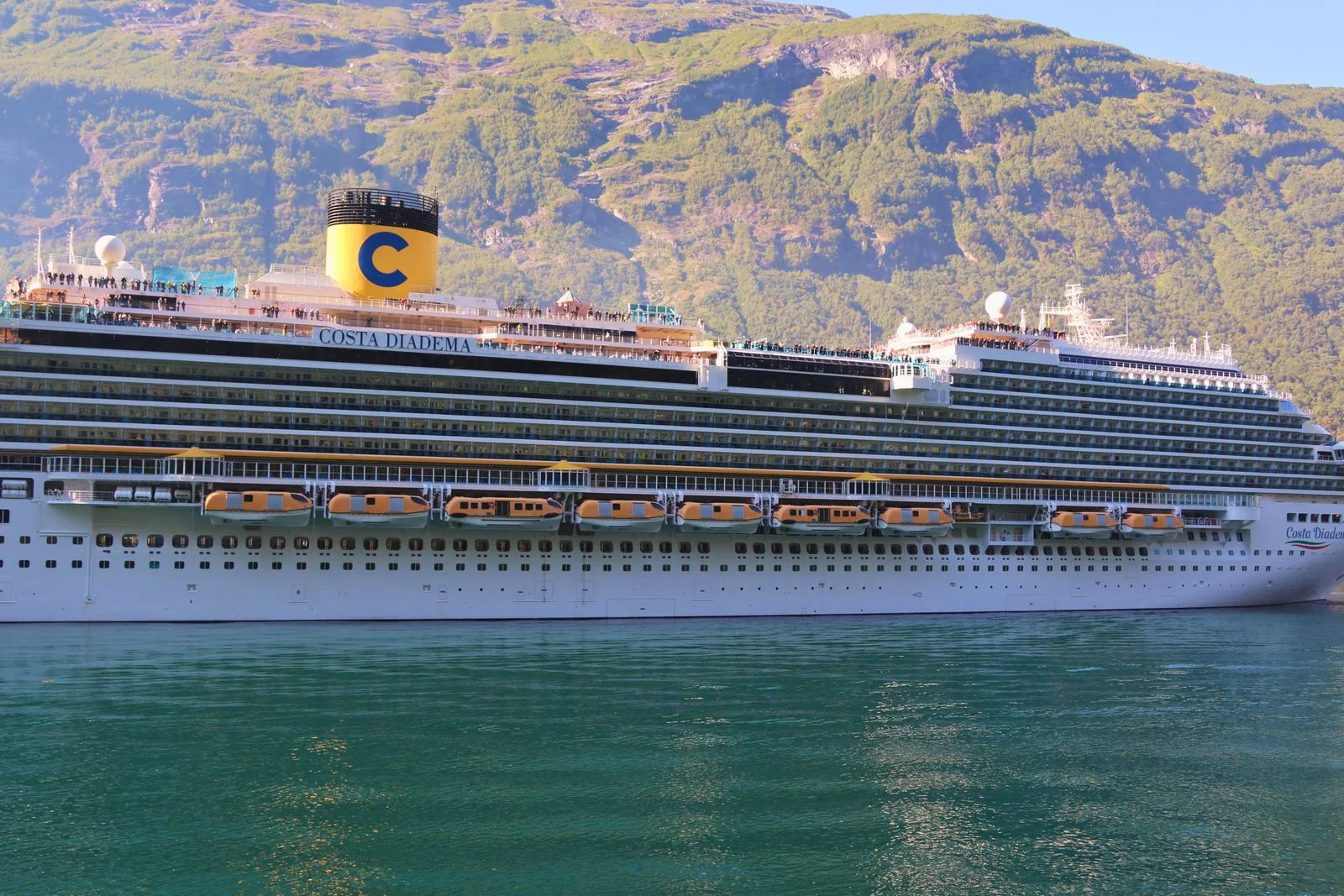
- Cruises. Some annual policies only include cruises as a paid add-on before a cruise is covered properly.
- Higher-risk activities. Things like bungee jumping, jet skiing and skydiving are also often excluded unless you add cover.
- Business travel. Work trips may need a business add-on, especially if you carry work equipment.
If you add extras, include them in both your annual and single-trip quotes so the comparison is fair.
Getting the Start Date Right
This is one of the most overlooked parts of buying annual travel insurance. Cancellation cover runs from the policy start date. If you've already booked a trip and your policy doesn't start until later, you might not be covered if something forces you to cancel before then.
Many insurers let you choose a start date in advance, sometimes up to 90 days ahead. MoneyHelper's advice on what makes a good policy is to buy insurance as soon as you book your trip. With an annual policy, that means starting it when you've booked your first trip, so cancellation cover is in place straight away.
At renewal, check whether the new policy starts the day after the old one ends, so there's no gap.
A Simple Way to Do the Maths
You don't need a spreadsheet. Before you buy, try this:
- List every trip you're planning or likely to take in the next 12 months, including UK breaks that meet the policy's accommodation and minimum-stay rules.
- Note the longest trip and the furthest destination. These set the per-trip limit and region you'll need.
- Get an annual quote using those details.
- Get single-trip quotes for each trip with the same cover level and excess.
- Compare like for like. Check the medical cover, cancellation limit and baggage cover match, otherwise the cheaper price may just be thinner cover.
Excess makes a difference too. A higher excess can lower the price, but you'll pay more of any claim yourself. Compare the excess on every annual and single-trip quote so the price comparison remains like for like.
Couples and Families
Many insurers offer joint and family options for annual travel insurance. These can make sense if you usually travel together, but read who's covered and when. Some family policies only cover children when they travel with a named adult, and some require each person to be named on the policy.
If one partner travels for work and the other doesn't, separate policies may fit better than a joint one. Whichever setup suits you, check the price and cover again at renewal rather than letting the policy roll over automatically.
What a GHIC Does and Doesn't Replace
A UK Global Health Insurance Card (GHIC) lets you get state healthcare in some countries for free or at a reduced cost. It's useful, but the NHS guide to healthcare cover abroad is clear that it isn't a replacement for travel insurance.
A GHIC won't pay for a flight home for medical reasons, private treatment or mountain rescue, which are some of the most expensive things that can go wrong abroad. Carrying a GHIC and having travel insurance in place is the safer combination.
If you travel twice or more in a year and your trips fit the limits, it's worth pricing up annual travel insurance against single-trip cover before your next booking.
Frequently Asked Questions (FAQs)
1. How Many Trips Do I Need for Annual Cover to Make Sense?
MoneyHelper says annual cover can be more cost-effective if you're taking more than two holidays a year. For two trips, it depends on your trip lengths, destinations and cover level, so compare both options.
2. Does an Annual Policy Cover Trips in the UK?
Often, but usually only if you spend at least two consecutive nights in booked accommodation. Some insurers also need you to be more than 25 miles from home.
3. What Happens if One Trip Is Longer Than the Limit?
That trip may not be covered at all, not just the extra days. Some insurers let you extend the per-trip limit for a fee, so check this before you travel.
4. When Should My Annual Policy Start?
Ideally on the day you book your first trip. Cancellation cover runs from the start date, so a later start could leave an already-booked trip unprotected.
5. Do I Still Need Travel Insurance if I Have a GHIC?
Yes. The NHS says a GHIC is not a replacement for travel insurance. It doesn't cover things like medical repatriation or private treatment.