The right motorhome insurance depends on how you use your vehicle – whether it’s for leisure, commuting, or business.
Here are the main options:

Perfect if you’re using your motorhome for holidays and personal trips. This doesn’t cover commuting or business use.

Covers driving your motorhome to and from your place of work.

Includes commuting, plus travel to business meetings, events, and other work-related journeys.

A motorhome – or campervan – is a vehicle that combines transport and living space, giving you the freedom to travel with the comforts of home. They come in all shapes and sizes – from large, luxury American-style RVs and coach-built models, to compact panel van conversions and self-built micro campers.
While the terms are often used interchangeably, there are a few key differences:
Motorhomes are typically larger, with separate living and driving areas, and often include built-in kitchens, bathrooms, and storage space – ideal for fully self-contained living.
Campervans are usually smaller, with more basic amenities. They’re designed for more compact travel, but still offer essential facilities like a bed, small kitchen, and wash space.
Yes – many insurers will cover campervans, as long as they meet certain criteria. You may be able to insure your vehicle as a campervan if it: Has fixed facilities for sleeping, cooking and washing Is registered as a motor caravan on your V5C log book
If you’ve converted a van for travel or holidays and installed permanent features, you could still be eligible for campervan insurance. Just note:
a simple bed in the back usually isn’t enough to qualify.
There are three core levels of motorhome insurance available – each offering a different level of protection:
This is the minimum legal requirement for driving in the UK. It only covers damage or injury to other people, their vehicles, or property – not your own motorhome.
Includes third-party cover, with added protection if your motorhome is stolen or damaged by fire.
Offers the highest level of cover. It includes everything in the above policies, plus damage to your own motorhome – even if the accident is your fault.

Many motorhome or campervan policies also include additional features as standard, such as:
Protection for items stored in your motorhome. Be sure the limit is enough for everything you typically take on your trips.
Covers damage to your awning, often from storms or accidental mishaps.
Protection for your generator if it’s damaged due to an insured incident.
Helps with repair or replacement of a chipped or cracked windscreen. You’ll usually need to pay an excess.
Always read the full policy details to make sure the cover suits your needs – especially if you use your motorhome regularly or travel long distances.
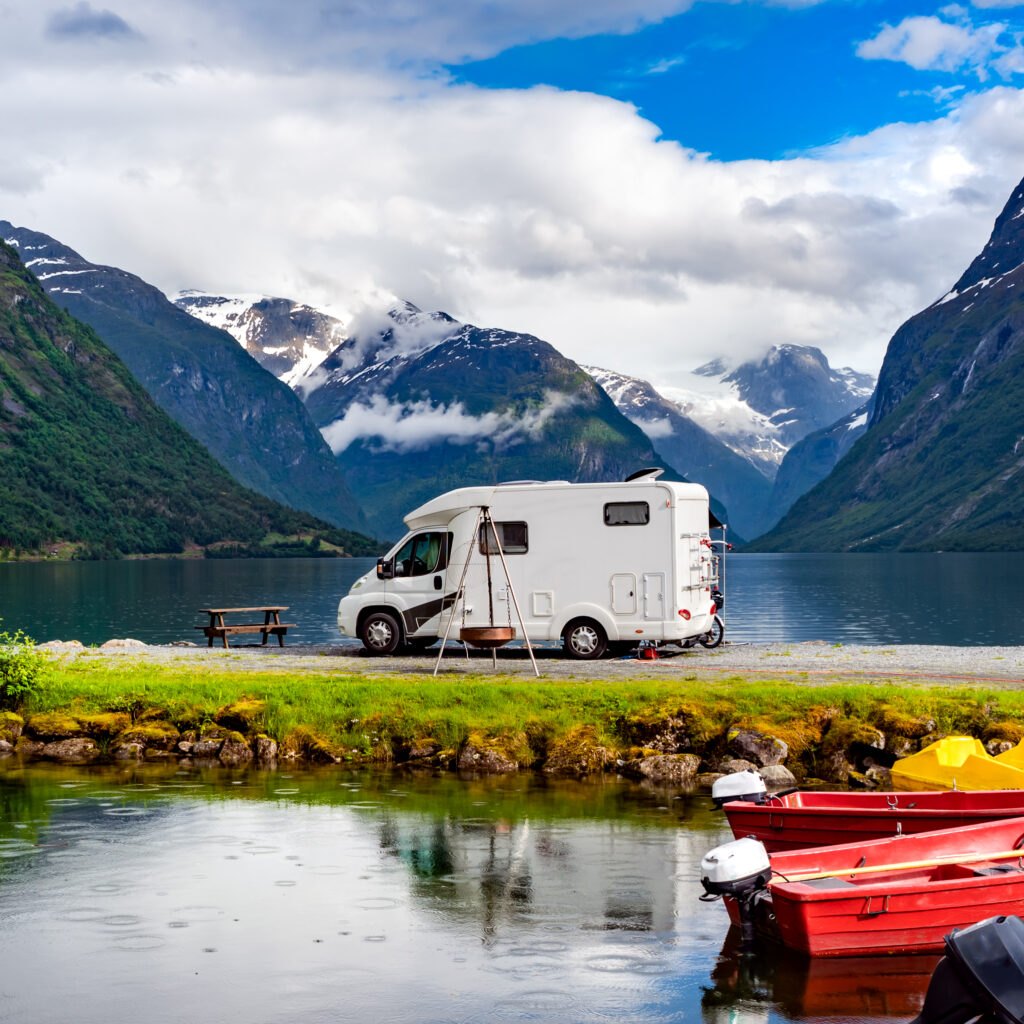
Depending on your needs, you can tailor your motorhome insurance with a range of useful add-ons – for an extra cost. Popular options include:
Breakdown cover – Get roadside assistance and recovery if your motorhome breaks down mid-journey.
Legal expenses cover – Helps with legal costs and may support claims for compensation or recovery of losses after an accident.
No-claims discount protection – Lets you keep your no-claims bonus even after making a claim (although your premium might still go up).
European cover – Ensures you’re insured when taking your motorhome across the Channel for European adventures.
To keep your premium down, think carefully about how you use your motorhome – and only add extras that offer real value. You might already have some of this cover through other policies, so it’s worth checking first.
Several factors can influence how much you’ll pay for motorhome insurance. Insurers assess risk based on personal details, vehicle specs, and how the motorhome is used.
Here's what they typically consider:
There are several smart ways to lower the cost of your motorhome insurance without cutting back on the cover you need:
Spreading the cost over monthly instalments often comes with added interest, making annual payment the cheaper option overall.
Adding features like a steering wheel lock, tracker, alarm system, or even a motorhome ID kit can help reduce your premium.
Parking it off-road—on your driveway, in a garage, or in an approved storage facility—can help lower the risk and cost.
If you only use your motorhome occasionally, opting for a capped mileage policy could bring your premiums down.
The longer you go without making a claim, the more you could save with a growing no-claims bonus.
Agreeing to pay a higher excess can reduce your premium—just make sure it’s still affordable if you need to claim.
Proving your skills with a recognised advanced driving qualification can sometimes unlock lower rates.
Some insurers offer exclusive discounts to members of motorhome or campervan associations.
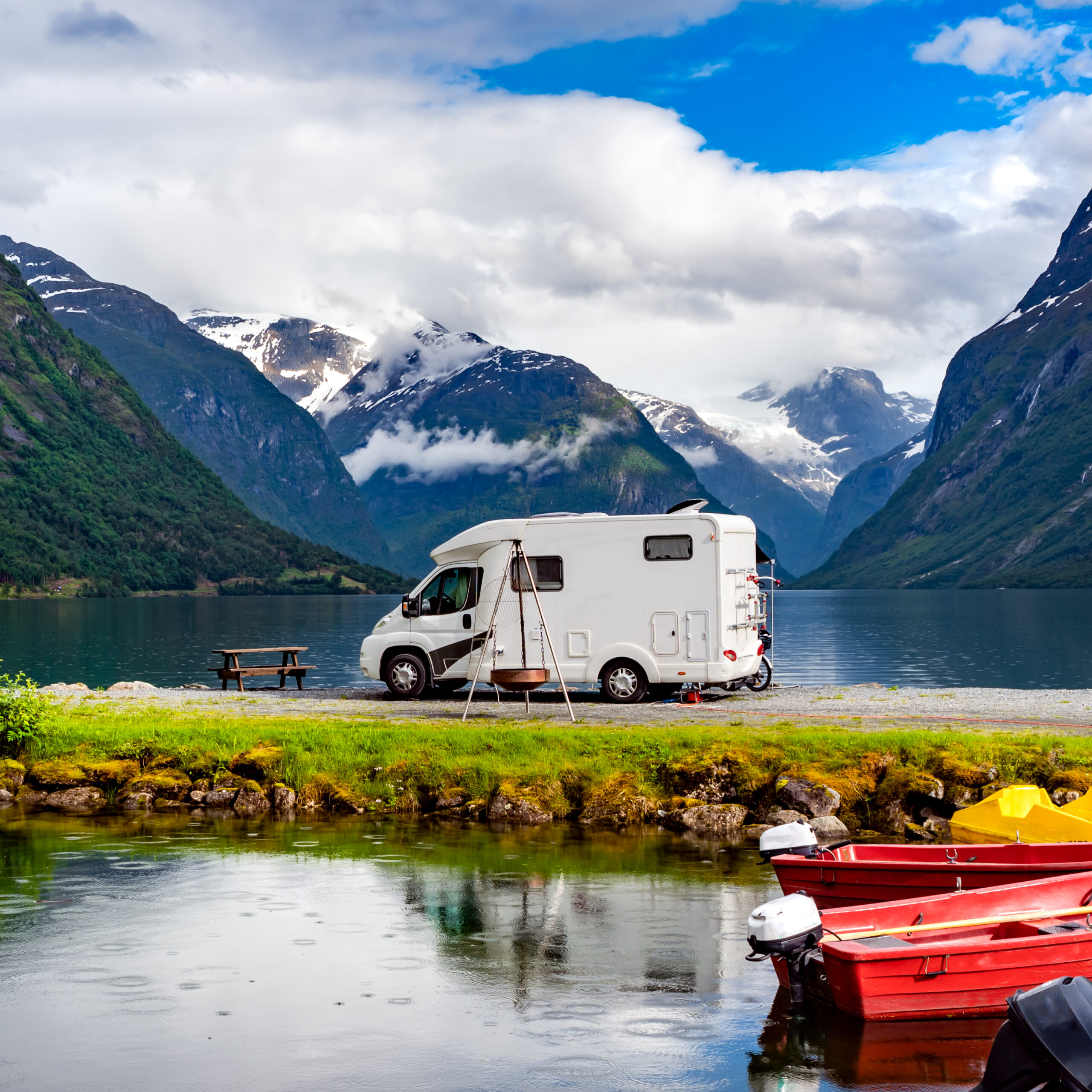
Getting a great price is important—but the best motorhome insurance is about more than just cost. To make sure your policy actually protects you when it matters, here are some key things to keep in mind:
If you spend a lot of time in your motorhome, your premium may be higher—but giving false information to get a cheaper quote could invalidate your policy if you ever need to make a claim.
From expensive tech to everyday essentials, it’s important to make sure your possessions are covered—especially if you travel with satellite TVs, sound systems, laptops, or other valuables.
Will you be covered if you use your motorhome for the occasional commute? Are there mileage restrictions? If so, how much will it cost if you go over the limit? Read the fine print so there are no surprises.
Heading to Europe? You may want to include European breakdown cover. But if your trips are strictly UK-based, you can save by skipping features you won’t use.
The right cover balances price, protection, and peace of mind. When you compare with Clarity Compare, we help you find a policy that truly suits your lifestyle—not just your budget.