
I N S U R E N
United Kingdom

Office Address

  • United Kingdom
  • patrick@claritycompare.com

Pinterest

Social List

Motorbike & Motorcycle Insurance Comparison

Motorbike Insurance

Looking to evaluate coverage options for your two-wheeler? Utilizing our partner comparison tracking links allows you to look for competitive motorbike insurance pricing setups online.

Compare up to 25 providers & you could pay less than £255*

  • Start a new quote in minutes
  • Navigate directly to provider platforms online
  • Review quotes side-by-side at your convenience

Whether you operate your vehicle daily or for weekend leisure, reviewing available policy layouts can assist you as you search for configurations that match your operational needs.

"Quotes provided by Seopa Ltd"
Hero Character

Why compare motorbike insurance via
Clarity Compare?

With around 1.37 million motorcycles on UK roads in 2024, understanding available coverage configurations can assist your search. Whether you are a new rider or upgrading your vehicle, evaluating different motorbike insurance structures online allows you to compare market options side-by-side.

Car Icon

1. Affordable options

You could pay less than £255* for motorbike insurance

Car Icon

2. Fast comparisons

Get a range of motorbike insurance quotes in as little as 6 minutes².

Car Icon

3. Impartial results

The online comparison tracking links simplify the viewing process—allowing you to look for configurations that align with your individual parameters.
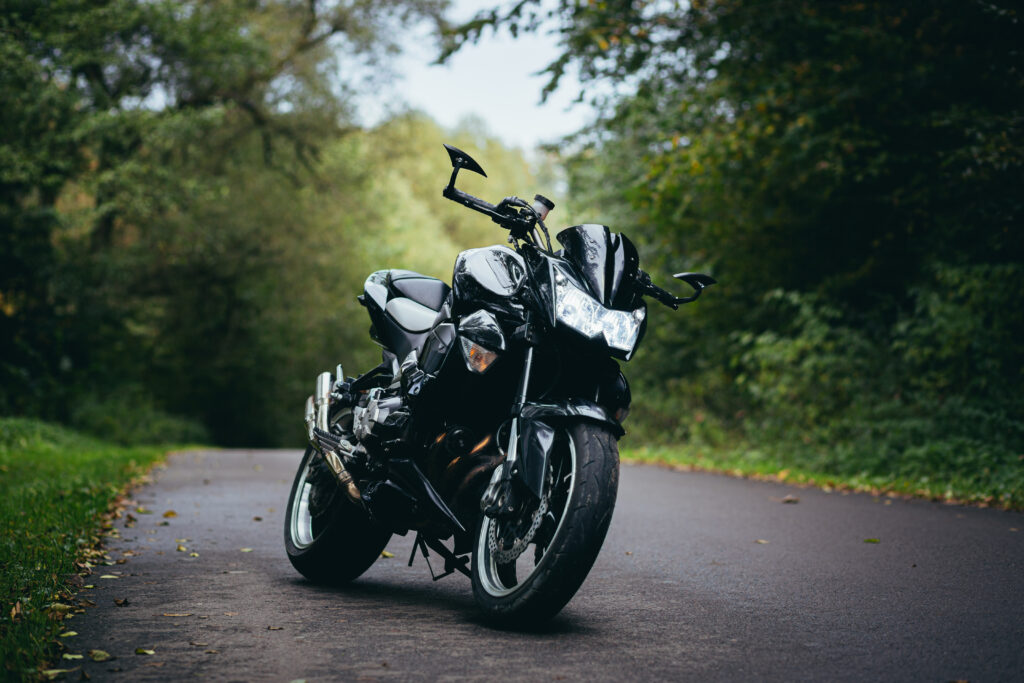
Review available motorbike insurance features across a wide panel of UK providers online

What do I need to get a motorbike insurance quote?

Evaluating available options online requires standard information. To initiate a quote query via our partner comparison tracking links, you will need to input baseline operational details regarding yourself and your motorcycle.

What is motorbike insurance and why do I need it?

Motorbike insurance is a legal requirement if you ride or keep your motorcycle on public roads in the UK.

Depending on the individual policy tier selected, different configurations offer financial protection considerations toward costs arising from:

1. Accidental or malicious damage to your motorcycle (typically restricted to Comprehensive structures)

2. Vehicle theft or attempted vandalism allocations

3. Third-party injury liabilities affecting other road users

4. Property damage or vehicular losses sustained by third parties


You can also explore adding elective components to your application layout, such as specialized breakdown recovery options or personal accident configurations, designed to broaden your baseline policy criteria parameters.

What are the standard levels of motorbike insurance?

Motorcycle insurance structures in the UK are generally categorized into three distinct operational tiers. Reviewing their baseline characteristics can help you evaluate varying platform choices:

Third party only

This represents the minimum baseline legal standard required for UK public roads. It is structured to provide financial liability support for injury or property damage sustained by third parties, though it typically excludes allocations for your own motorcycle losses.

Third party, fire and theft

Includes the fundamental third-party liability criteria while extending baseline options to assist with financial planning if your motorcycle is stolen, undergoes an attempted theft, or sustains damage via fire.

Comprehensive cover

The broadest standard policy framework available. It encompasses the third-party, fire, and theft criteria while incorporating elective configuration choices to help offset repair or replacement costs for your own motorcycle following an eligible accident. It may also include personal injury cover – always check your policy to see what’s included.

What’s not typically covered by motorbike insurance?

While motorbike insurance offers valuable protection, there are some things it may not include as standard.
Here's what to keep in mind:

1. Carrying passengers

Planning to transport a passenger? Pillion cover choices typically operate as optional configuration components and are generally omitted from standard baseline structures.

2. Sidecar cover

If your bike has a sidecar, it’s usually classed as an accessory and may require additional cover. Sidecar configuration comparisons are not supported via the standard online tracking links at present.

3. Bike modifications

Made changes to your bike after purchase? Whether aesthetic or performance-based, declaring physical deviations ensures the panel platform filters accurate policy parameters matching your vehicle's true profile.

4. Punctures

Standard criteria parameters generally exclude tire punctures. However, integrating a breakdown assistance add-on can offer recovery options to help transport the vehicle to a localized repair facility.
Why Use Us

5. Track day use

Planning track activities? Circuits typically require specialized track day policy layouts, which fall outside the scope of the standard online partner tracking links.

6. Negligence

Leaving keys in the ignition or failing to secure the vehicle can invalidate standard theft criteria parameters under most underwriting rules.

7. Riding under the influence

Operating a motorcycle under the influence of alcohol or illicit substances is illegal and severely breaches standard policy terms, allowing underwriters to seek full recovery of any statutory third-party liability costs from the rider.

8. Wear and tear

Everyday use, ageing, scratches or rust typically aren’t covered by motorbike insurance.
What optional extras can I add to my motorbike insurance?

Review common optional configuration components that can be explored alongside standard policy tiers:

    • Motor legal protection
      Offers choices to assist with eligible legal expenses arising from a third-party contractual dispute following an accident.

    • Helmet and leathers cover
      Designed to offer financial support parameters toward repairing or replacing specialized riding apparel following a documented accident.

    • Breakdown cover
      Provides recovery options if the motorcycle experiences a mechanical failure, featuring roadside stabilization support or transit options to a localized repair facility.

    • Personal accident cover
      Incorporates specific financial allocation parameters if an operator sustains severe bodily injury, subject to defined medical underwriting criteria.

    • Pillion cover
      Extends baseline liability criteria parameters to include passenger transport considerations during vehicle operation.

    • Protected no-claims discount
      Allows you to sustain your accrued discount tier placement when making a limited number of eligible claims, depending on provider terms.

    • Key cover
      Provides allocation configurations to assist with costs linked to replacing lost, compromised, or stolen ignition keys.

    • EU cover
      Planning international travel? Reviewing individual provider layouts ensures territorial configuration settings extend to EU destinations.

Types of motorbikes you can insure

Insurers may offer cover for a wide range of bike types. Here's a quick look at the main ones – but keep in mind that providers can vary in
what they will and won’t insure:

1. 50CC

With a top speed of approximately 28mph, 50cc mopeds represent a common entry-level engine capacity evaluated by younger riders, including those aged 16 and older.

2. Scooter

A step up from a 50cc, scooters are a popular choice for city riding and short commutes.

3. Sports bike

High-performance vehicles featuring advanced power-to-weight specifications. These structures typically fall into higher baseline premium brackets across standard statistical models.

4. Supermoto

A mix of off-road and road capabilities, often used for stunts or short-distance rides.

5. Classic

Older bikes that may need specialist insurance due to age, value, or limited usage.

6. Touring

Designed for long-distance rides, often larger and heavier with more storage.

7. Off-road

Bikes built for trails and uneven terrain, typically not road-legal unless registered and insured correctly.

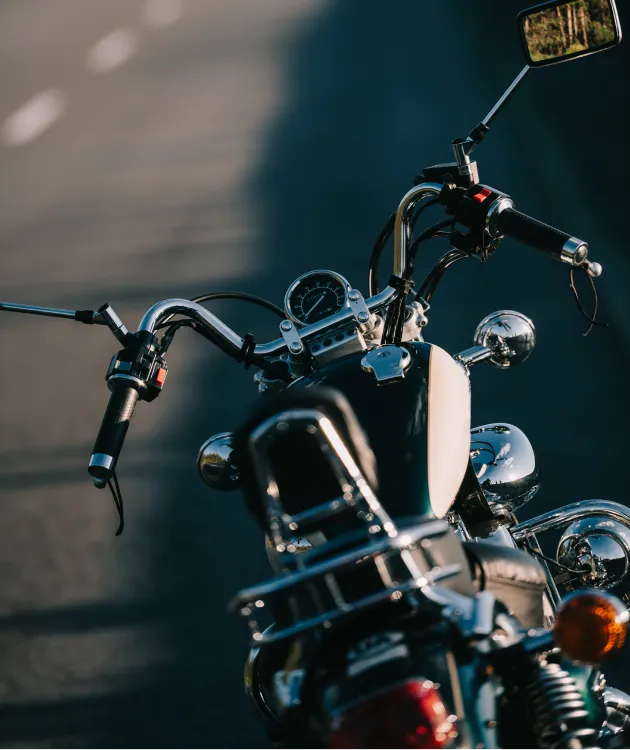
8. Cruiser

Low-riding vehicles characterized by standard cruiser chassis designs, frequently utilized for long-distance transit parameters.

9. Chopper

A custom-built style of cruiser with extended forks and unique designs.

10. Quadbike

Frequently operated on private land or within agricultural settings. Standard UK legislation dictates that mandatory road-legal policy configurations apply if the vehicle is operated on public highways.
What options can influence motorbike insurance premiums?

Evaluating distinct premium variables can help you understand how underwriters assess baseline configurations. Here are standard operational considerations:

Choose a lower-powered bike Smaller engine capacities typically reflect alternative premium bands and lower repair baselines across standard underwriting criteria sets.
Avoid modifications Performance enhancements or aesthetic updates can alter baseline underwriting evaluations. Retaining standard factory specifications typically avoids modified premium loading factors.
Keep your mileage low Reduced annual mileage parameters can correspond to alternative statistical risk bands. Supplying an accurate projection ensures the tracking link quotes map correctly to your operational profile.
Boost your riding skills Qualifications like a BikeSafe Certificate or RoSPA Enhanced Rider Scheme can help you unlock discounts with some insurers.
Secure your bike Using an approved lock or storing your bike in a garage overnight may help reduce your premium.
Pay annually Settling the premium upfront via an annual payment structure generally avoids the localized interest charges or credit setup fees associated with installments.
Only choose extras you need Reviewing elective add-on modules carefully allows you to bypass optional configuration elements that fall outside your primary criteria preferences.
Build your no-claims discount Stay claim-free and you could earn a no-claims discount each year.

What are the classes of motorbike use?

When utilizing the online tracking links, selecting the appropriate usage classification ensures your quote configuration is accurate. Underwriters require precise operational definitions to evaluate statistical baseline risk criteria effectively.

  • Social, domestic and pleasure
    Structured to accommodate standard personal usage parameters, such as leisure riding or social visiting. This baseline configuration generally excludes transit paths linked to regular workplace commuting.

  • Social, domestic, pleasure and commuting
    Encompasses standard personal and social usage criteria while extending options to incorporate daily commuting transit to and from a single designated place of work.

  • Social, domestic, pleasure, commuting and business use
    Designed for riders who use their bike for both personal use and business travel – such as visiting clients or travelling between work sites.

  • Delivery use
    Operating a motorcycle or moped for commercial courier activities or paid delivery transit (such as fast food distribution) typically requires a specialized commercial policy configuration, as standard personal use structures exclude courier liabilities.

What are the different classes of motorbike use?

When comparing motorbike insurance, it’s important to choose the correct class of use –
this helps insurers assess risk and offer the right level of cover.

Social, domestic and pleasure

For personal use only – such as riding for fun, social trips or running errands.

Social, domestic, pleasure and commuting

Includes everything above, plus your daily commute to a single place of work.

Business use

Covers social, commuting, and riding your bike for work-related travel – like visiting clients or multiple office locations.

Delivery use

If you’re using your motorbike or moped for paid delivery jobs – such as food or parcel deliveries – you’ll need specialist delivery or courier insurance.

Frequently Asked Questions About Motorcycle Insurance

Review general informational answers to frequently asked questions regarding common UK motorbike insurance terminology, structural frameworks, and standard policy characteristics below.

Are there motorcycle insurance groups?

Yes, similar to car insurance matrices, motorcycles are categorized into defined insurance groups based on factors such as engine capacity, market value, and performance metrics. Vehicles assigned to lower group placements typically correspond to alternative baseline premium tiers, while high-performance configurations frequently fall into higher-rated bands.

In many cases, yes. The comparison tracking links can accommodate adding additional named riders to an application layout, though premium calculations will typically adjust based on the age, operational experience, and history of the specified individuals.

Multi-bike policy configurations are offered by select panel providers, allowing multiple vehicles to be listed under a consolidated layout. These structures can streamline renewal management parameters depending on individual provider terms.

Yes, though coverage parameters vary significantly. Certain underwriters apply specific criteria restrictions or alternative premium scales to parallel or grey imports, reflecting statistical variations in component procurement and regional repair metrics.

If a motorcycle is deemed a total loss, an underwriter will typically evaluate settlement terms based on the vehicle’s estimated market value at the time of the incident, subject to your deduction layout. These criteria parameters are generally native to comprehensive policy tiers.

Not usually. Standard policies typically don’t cover wear and tear or punctures unless you’ve added breakdown cover or a specific tyre protection add-on.

Contact us

Getting in touch with us has never been easier.
Live chat is available 8.30am - 5pm
Monday to Friday

×
🌐 Webform 📘 Facebook