Yes, you can get temporary learner driver insurance, and for many families it's the simplest way to add extra practice between lessons. Instead of a full year of cover, you can insure a learner for a set period, such as a few hours, a weekend or a few weeks, in a car belonging to a parent, partner or friend.
The catch is that short-term cover comes with its own rules, and the person sitting next to you has rules to follow too. This guide explains how temporary cover works, how it compares with other options and what to check before the first practice drive.
Why You Need Learner Driver Insurance to Practise
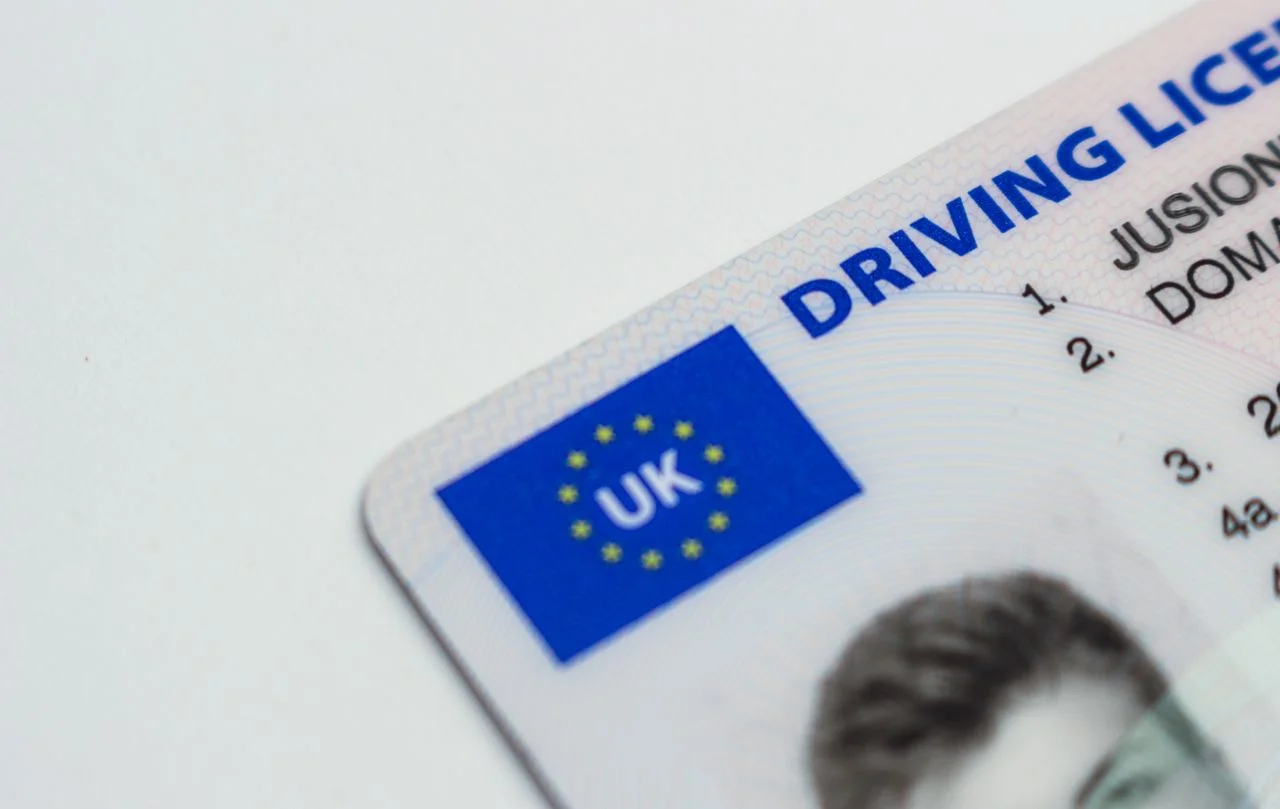
A provisional licence lets you learn, but it doesn't insure you. Every learner who drives on a public road needs to be insured for that car.
The Motor Insurers' Bureau puts it simply in its guide for anyone who's a new or young driver, while you're learning, you'll need specific learner driver insurance, either on your own vehicle or on someone else's.
The car owner's policy won't usually cover a learner unless the learner has been added to it, or has a policy of their own.
How Temporary Cover for Learners Works
Temporary cover, sometimes called short-term or pay-as-you-go cover, is bought for a fixed period rather than a full year.
Which?'s guide to temporary car insurance explains that it typically lasts anything from an hour to a couple of months. It also notes that learner drivers have access to specialist learner policies, and that a separate policy avoids the risk of losing someone else's no-claims discount.
A few things to be aware of:
It won't usually build a no claims bonus. MoneyHelper notes that temporary car insurance won't earn you any no-claims bonus.
It's tied to a specific car. Check the policy covers the exact car you'll be practising in.
The car owner's details matter. Some providers have rules about the car, its value or the owner's own insurance.
Start and end times are fixed. If a practice session runs late, you could drive outside the cover.
Temporary Cover, Named Driver or Your Own Policy
There are three main ways to get insured as a learner. Each suits a different situation.
Temporary learner cover is a separate policy for a set number of hours, days or weeks. It tends to suit occasional practice in someone else's car.
Being a named driver means you're added to the car owner's annual policy. It can work well if you practise regularly in one family car.
Your own learner policy is a policy in your name, often on your own car. It usually makes sense if you own a car or plan to practise a lot.
Being a named driver can be convenient, but Which? notes that it could affect the policyholder's no-claims discount if you have an accident. A separate temporary or learner policy keeps any claim off the owner's record.
If you're still deciding which route suits you, this guide to car insurance for learner drivers covers the basics of each.
Rules for Your Supervising Driver
Your insurance only works if you're driving legally, and that includes having the right supervisor. GOV.UK's guidance for anyone who wants to supervise a learner driver says the supervisor must:
Be at least 21 years old
Have had a full driving licence for at least 3 years
Be qualified to drive the type of vehicle you're learning in
It's also illegal for a supervisor to use a phone in their hand for any reason while supervising.
Some insurers set stricter rules than the law, such as a higher minimum age for the supervisor. Check the policy terms before you book the cover.
Rules Every Learner Must Follow
Insurance won't help if you break the basic learner rules. GOV.UK says:
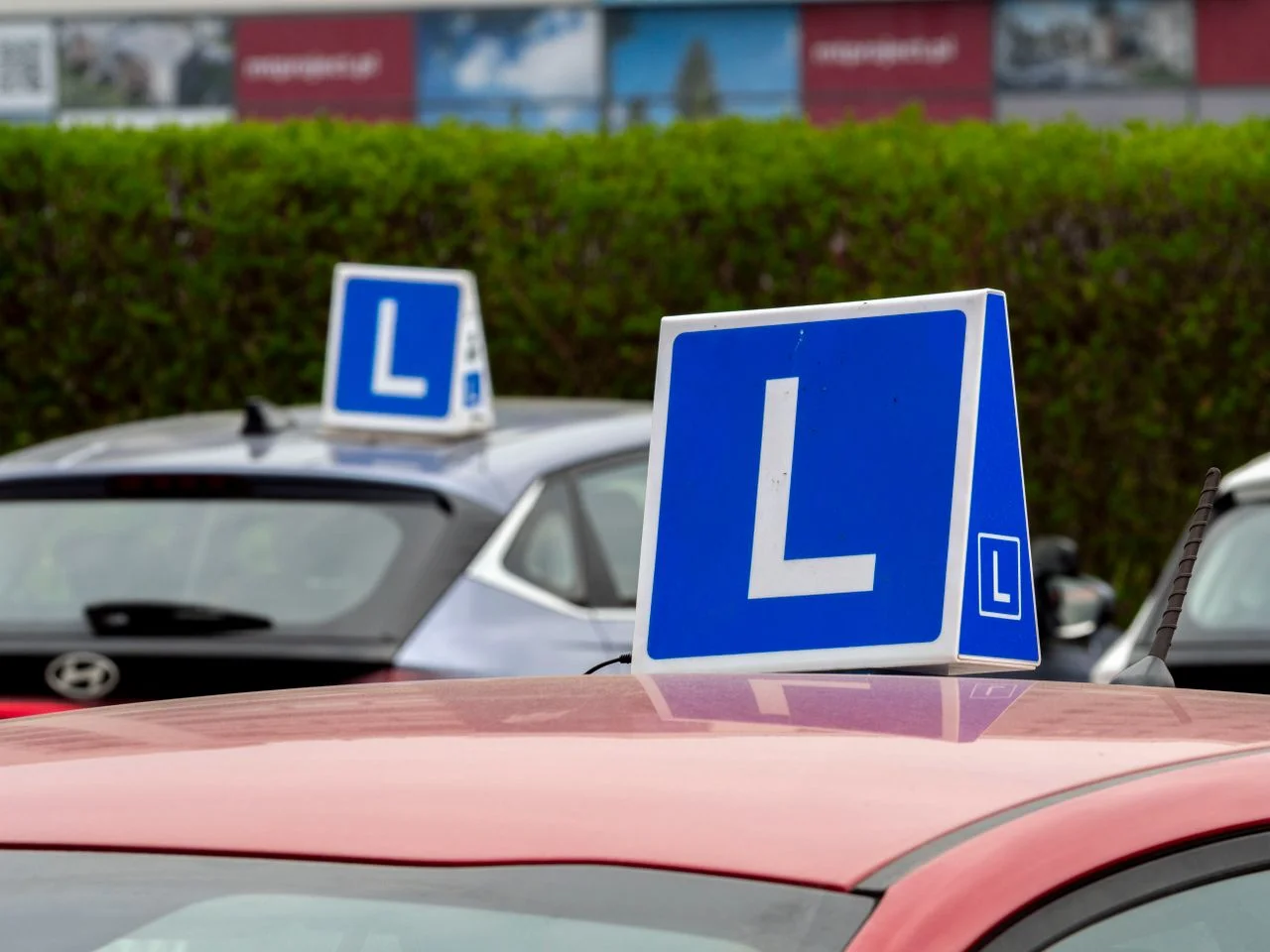
L plates are a must. You need an L plate on the front and back of the car. In Wales, you can use a D plate instead. You can get up to 6 penalty points for not displaying one.
No driving alone. A learner must always be supervised.
Motorways only with an instructor. Learners can only drive on motorways with an approved driving instructor in a car fitted with dual controls.
Lessons With a Driving Instructor
You don't usually need your own insurance for lessons in an instructor's car. Which? says instructors usually have a professional policy that covers all their students, but advises checking before your first lesson.
Temporary or named driver cover is for the practice you do outside lessons, in a family or friend's car.
How Much Practice Do Learners Need?
There's no legal minimum. The government's Ready to Pass campaign says there's no minimum number of lessons or practice hours, but that learners who combine professional lessons with private practice tend to do better in their test.
A Department for Transport consultation published in January 2026 looked at studies of new drivers. It found the average time spent learning ranged from 37 to 52 hours with a driving instructor and from 13 to 20 hours practising with family and friends.
That's why short-term cover can be useful. It lets you add practice around lessons without committing to a full year.
What Happens if a Learner Drives Without Insurance
The penalties are serious. GOV.UK says a learner driver can get an unlimited fine, a driving ban and up to 8 penalty points for driving without insurance. The car can also be seized.
A ban before you've even passed your test can delay your plans and make insurance more expensive once you do pass.

What Temporary Learner Cover May Not Include
Short-term learner policies are built for supervised practice, so they come with limits. Before you buy, check whether the policy:
Covers only the car named on the policy. Practising in a different car usually needs separate cover.
Allows the supervisor you have in mind. Some policies set their own age or licence rules for the supervisor.
Excludes certain uses. Business use or driving outside the UK may not be included.
Ends automatically when you pass. You'll need new cover before you drive alone.
Check the excess too, because it can be higher on short-term or learner policies. This explainer on how excess can affect your premium covers the trade-off.
A Quick Checklist Before Your First Practice Drive
Your provisional licence is valid and with you.
L plates (or D plates in Wales) are on the front and back of the car.
Your supervisor meets the legal rules and any extra rules in your policy.
Your insurance is active for the exact car, date and time.
You've planned a route that suits your experience, away from motorways.
Comparing Temporary Learner Cover
Prices and rules vary a lot between providers, so it pays to compare like for like. Use the same car details, dates and supervisor details for every quote. This guide on how to compare quotes efficiently is a useful place to start.
Keeping the Cost Down
Learner cover can feel expensive, but a few choices make a difference.
Picking the Right Length of Cover
Buy cover for the time you'll actually use. If you only practise at weekends, a few short policies may work out better than a longer one, but compare both. This guide to budget car insurance has more ideas for keeping costs down.
Choosing Your Excess
A higher excess can lower the price, but you'll pay more if there's a claim, so pick an amount you could afford.
Checking What Happens When You Pass
Learner cover is designed for provisional licence holders. Check what happens to your policy once you pass, and make sure you have full cover in place before you drive on your own.
Temporary cover can make extra practice simple and flexible, as long as you understand the rules that come with learner driver insurance before you set off.
The information contained within this webpage is for editorial purposes only, and not intended as financial advice.
Frequently Asked Questions (FAQs)
1. Can a Learner Get Insurance for Just One Day?
Yes. Temporary cover can be bought for short periods, typically from an hour up to a couple of months, depending on the provider.
2. Does Temporary Learner Cover Affect the Car Owner's No Claims Bonus?
A separate temporary policy avoids the risk of losing the owner's no-claims discount. Being a named driver on their policy could affect it if you have an accident.
3. What Are the Rules for a Supervising Driver?
GOV.UK says the supervisor must be at least 21, have held a full licence for at least 3 years and be qualified to drive that type of vehicle.
4. Do I Need Insurance for Driving Lessons?
Not usually for lessons in an instructor's car. Which? says instructors usually have a professional policy covering their students, but check before your first lesson.
5. Can a Learner Drive on the Motorway?
Only with an approved driving instructor, in a car with dual controls.