Bike insurance in the UK doesn't have one standard price, and anyone who gives you a single average figure is only telling part of the story. Two riders on the same motorcycle can be quoted very different amounts because of their age, licence, postcode, security and riding history.
That doesn't mean the price is a mystery. Once you know what insurers look at, you can see why your quote is what it is and which parts of it you can change. This guide walks through the main factors and how to get an accurate price for your own bike.
Why There's No Single Price for Bike Insurance
Independent, non-commercial sources don't publish a reliable average price for motorcycle insurance across the UK. Figures you see quoted online usually come from companies selling insurance, and they're often based on their own customers rather than all riders.
The more useful question is what makes your price higher or lower. The answer is a mix of you, your bike and how you use it.
The Factors That Affect What You Pay
Your Age and Riding Experience
Younger and less experienced riders usually pay more, because insurers see them as more likely to claim. Price tends to come down as you build experience and a claims-free record.
Your Licence
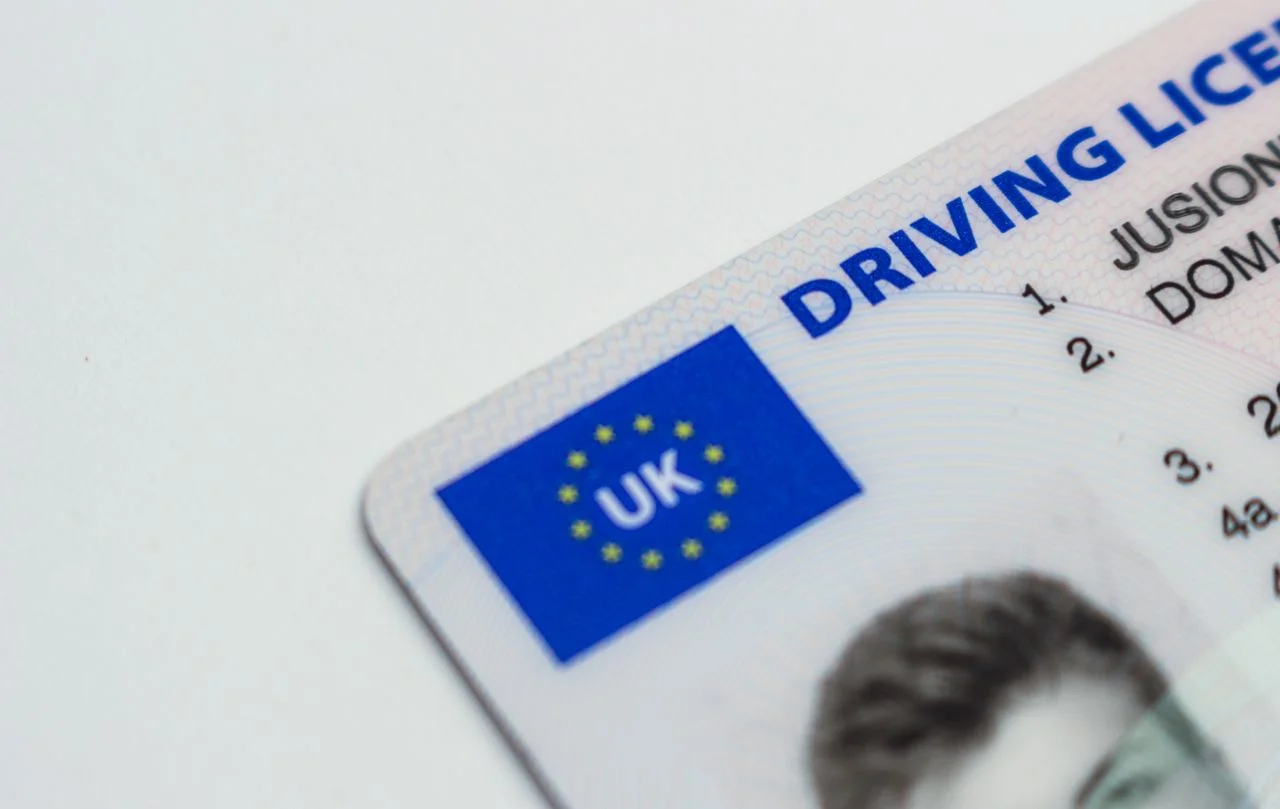
Your licence affects both what you can ride and how insurers see you. GOV.UK sets out the main motorcycle categories:
A1: from 17, light motorcycles up to 125cc
A2: from 19, standard motorcycles up to 35 kW
A: unrestricted motorcycles, from 24 through direct access or 21 through progressive access, if you've held an A2 licence for at least 2 years
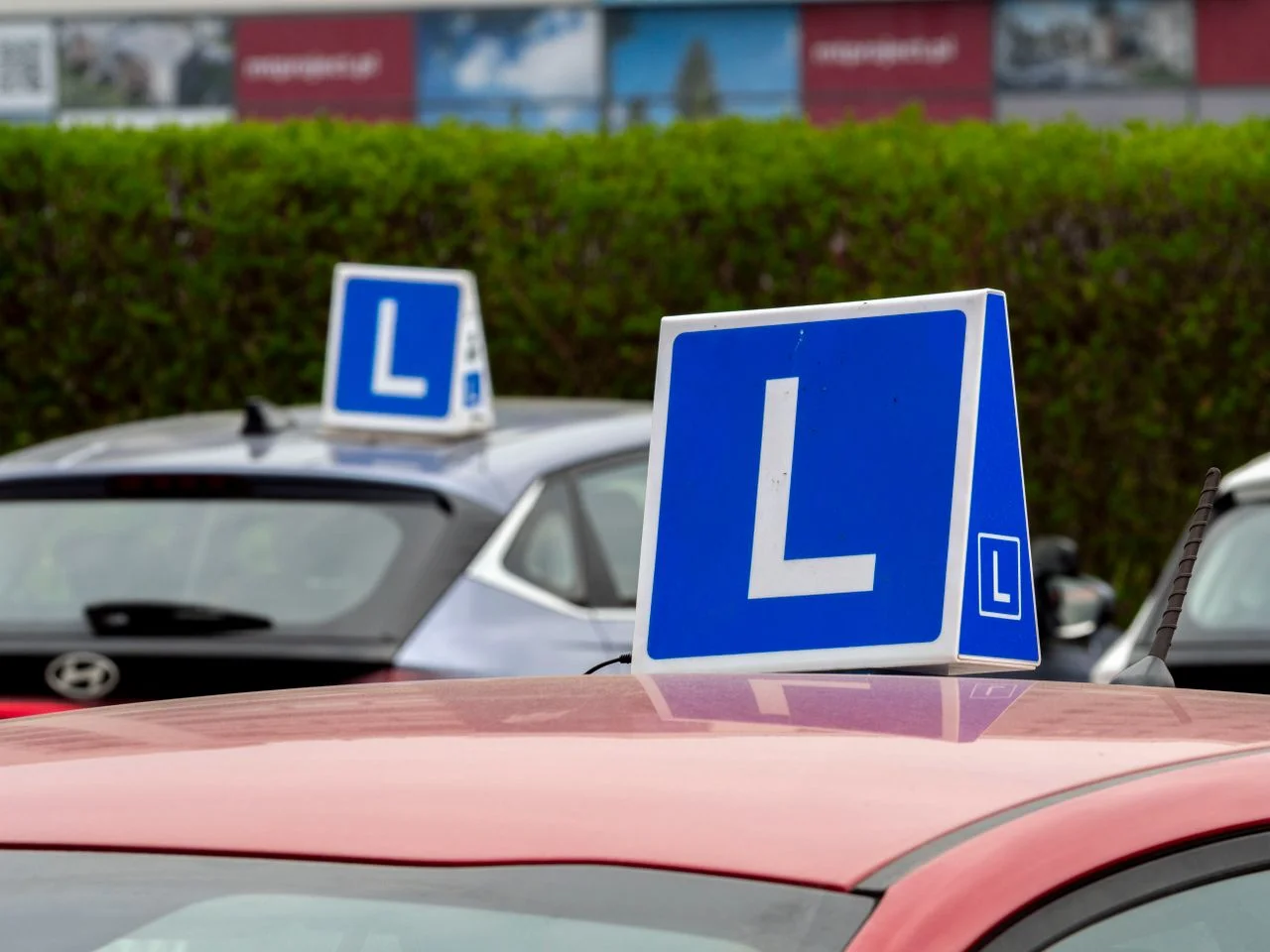
A rider on CBT and L plates will usually be quoted differently from someone with a full licence.
The Bike Itself
Engine size, power, value and the cost of parts all play a part. A small, low-powered commuter bike usually costs less to insure than a large, high-performance machine that costs more to repair or replace.
Where You Live and Theft Risk
Your postcode matters, partly because of theft and claims levels in your area. There's some good news on theft. The Motorcycle Industry Association reported in October 2024 that industry measures to curb motorcycle theft helped theft rates fall by 7.9% year-on-year over the first eight months of 2024. It also said theft levels had been more than 20% higher in 2017.
Security and Storage
How you protect your bike can affect your price and your cover. Insurers may ask about alarms, immobilisers, trackers, locks and where the bike is kept overnight.
Thatcham Research certifies vehicle security products, including motorcycle alarms, immobilisers and tracking systems, but says certification doesn't guarantee that an insurer will recognise a product. Check what your insurer accepts.
A locked garage is usually seen as lower risk than parking on the street. Some policies may set security conditions, so read the terms.
How You Use the Bike and Your Mileage
Riding for social trips only usually costs less than commuting, and commuting usually costs less than business use. Delivery work normally needs specialist cover. A realistic yearly mileage helps insurers price your cover fairly.
Modifications and Accessories
Aftermarket exhausts, performance parts and other changes can affect your price, and every change needs to be declared. Leaving a modification out can lead to a claim being reduced or refused. Expensive accessories, like luggage systems or sat navs, may need to be listed too if you want them covered.
Your Riding and Claims History
Recent claims, penalty points and convictions usually push prices up. Be accurate about them when you get quotes, because wrong information can affect a claim later.
Your No Claims Bonus
Each year without a claim can build a no claims bonus, which can reduce your premium over time. Some riders also protect it for an extra cost.
Level of Cover and Excess
The level of cover you choose (third party, third party fire and theft, or fully comp) affects the price, and so does your excess. A higher voluntary excess can lower the premium, but you'll pay more if you claim.
Can Rider Training Lower Your Premium?
Extra training won't guarantee a lower price, but it can help.
A DVSA Assessment for Full Licence Holders
The Driver and Vehicle Standards Agency's enhanced rider scheme is an assessment and training scheme for full licence holders. GOV.UK says the certificate of competence you get can be used to get discounts with most motorcycle insurers.
Independent Rider Training
Independent courses can also help. IAM RoadSmart runs an advanced rider course built around the police system of motorcycle control. It says passing doesn't guarantee a specific saving, but some insurers recognise its qualifications and can adjust premiums.
Beyond price, the main benefit is becoming a safer, more confident rider.
Other Ways to Build Your Riding Skills
If you'd like something less formal than a course, BikeSafe is a police-led motorcycle safety initiative. It describes itself as a workshop rather than a formal training programme, so treat it as a way to build skills rather than a route to a discount.
The Legal Minimum Cover
The Highway Code says your insurance must at least cover you for injury or damage to a third party while using the vehicle. That's third party cover.
The legal minimum doesn't always come with the lowest price, and it won't pay to repair or replace your own bike. Compare levels of cover rather than assuming third party only costs least.
What Each Level of Cover Includes
Third party only covers injury or damage you cause to other people or their property.
Third party, fire and theft adds cover for your bike if it's stolen or damaged by fire.
Fully comp adds damage to your own bike in an accident.
Exact cover varies between policies, so check what's included, especially for helmets, leathers and accessories.
Your excess also affects the price. This guide to voluntary excess explains how that trade-off works.
Practical Ways to Bring Your Premium Down
Some factors, like your age, can't be changed. Others can:
Improve security. A quality lock, an alarm or a tracker can help, as long as your insurer recognises it.
Park somewhere secure. A locked garage is usually seen as lower risk than the street.
Be realistic about mileage. Don't overestimate how far you ride each year.
Choose your next bike with insurance in mind. Smaller, lower-powered bikes usually cost less to insure.
Build your no claims bonus. Each claim-free year can help.
Consider further training once you have a full licence.
For locks, Sold Secure runs security product testing and rates motorcycle locks, with Gold and Diamond ratings for powered two-wheelers. Check which ratings your insurer accepts.
How to Get an Accurate Price for Your Bike
The only figure that really matters is the one quoted for you. To get an accurate one:
Have your details ready. Licence type, date you passed, bike make and model, and any modifications.
Be accurate about use and mileage. Don't pick social use if you commute.
List your security. Include alarms, trackers, locks and where the bike is kept.
Choose your excess carefully. Make sure you could afford it if you claimed.
Compare like for like. Use the same details for every quote so the prices line up.
This guide on how to compare quotes efficiently is a helpful starting point.
Checking the Price at Renewal
Your price can change each year. Your no claims bonus may have grown, you may have moved or changed bikes, or you may have done advanced training. Renewal is a good time to review your cover and compare again. This guide to budget car insurance is written about car cover, but many of its ideas for spending less apply to bikes too.
The cost of bike insurance depends on you, your bike and how you ride it, so the best way to find your price is to compare quotes with accurate details.
The information contained within this webpage is for editorial purposes only, and not intended as financial advice.
Frequently Asked Questions (FAQs)
1. What Is the Average Cost of Motorcycle Insurance in the UK?
There's no reliable, independent average. Prices vary widely with your age, licence, bike, postcode, security and claims history, so your own quote is the most useful guide.
2. Why Is Motorcycle Insurance So Expensive for Young Riders?
Younger and less experienced riders are seen as more likely to claim, so they're usually quoted more. Prices tend to fall as you build experience and a claims-free record.
3. Does a Tracker Reduce Bike Insurance?
It can help, but not always. Thatcham says certification doesn't guarantee insurer recognition, so check which products your insurer accepts.
4. Can Advanced Training Lower My Premium?
It can. GOV.UK says the DVSA enhanced rider scheme certificate can be used to get discounts with most motorcycle insurers. Other courses may be recognised by some insurers.
5. Is Third Party Only Always the Lowest-Priced Cover?
Not always. Compare different levels of cover, because third party only isn't always the lowest price, and it won't cover damage to your own bike.